
Standing water after a heavy rain is not always caused by one obvious problem. In Somers Point and across Atlantic and Cape May Counties, sandy soil can drain quickly in one part of a property while compacted ground, low grades or runoff leave another section soaked. Watching where the water starts, how it travels and how long it remains is the first step toward a practical fix.
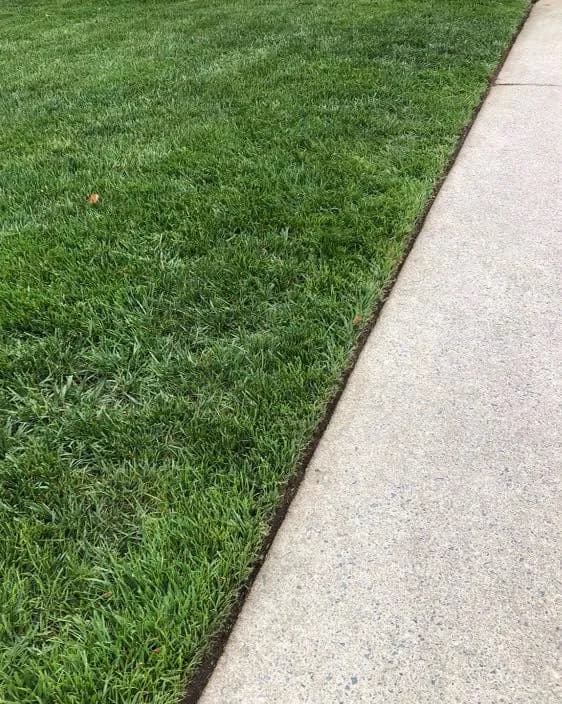
Why can water pool even in sandy South Jersey soil?
A yard may have sandy soil near the surface but denser fill, compacted areas or construction debris below it. Vehicle traffic, repeated foot traffic and old work around a home can also create sections that absorb water differently. When a low spot collects more runoff than the ground can take in, water can remain there even though the surrounding soil seems to drain well.
What should you check after the rain stops?
Walk the property after the worst water has receded and note the wettest areas, roof downspouts, driveway runoff and the direction of the slope. Look for washed mulch, exposed soil, soft lawn, clogged surface paths and water trapped beside a patio or walkway. Photos taken during and after a storm can make the pattern easier to understand without guessing from dry ground.
Can grading and landscape changes improve drainage?
Sometimes a shallow low area can be corrected by reshaping the grade and restoring the lawn or planting bed around it. Other properties may need a broader plan that manages runoff before it reaches the wet section. Any change should account for nearby homes, sidewalks and property lines so water is not simply pushed into a neighbor's yard or another part of the same property.
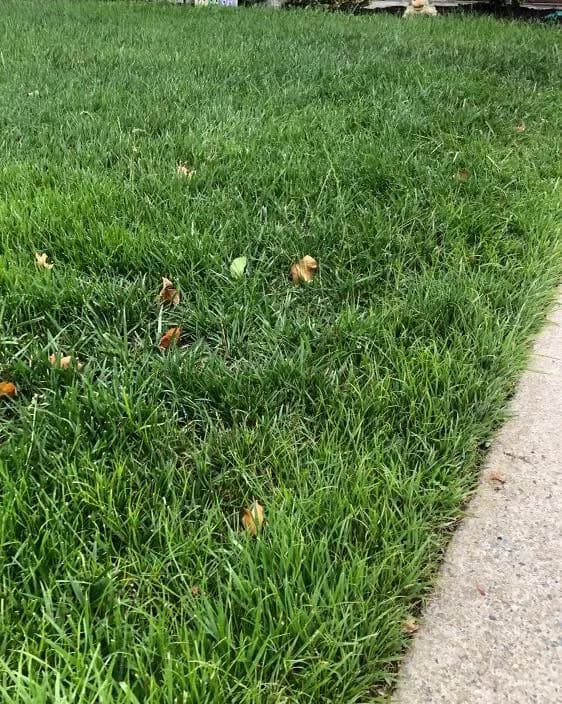
How do patios and walkways change water flow?
Concrete, pavers, brick and asphalt do not absorb rain like an open lawn, so their layout, pitch and edges affect where water travels. A new hardscape should be planned with the surrounding grade, while an existing surface may reveal its drainage problem through puddles, eroded edges or water collecting where it meets the grass. The surface and landscape need to be evaluated together rather than treated as separate areas.
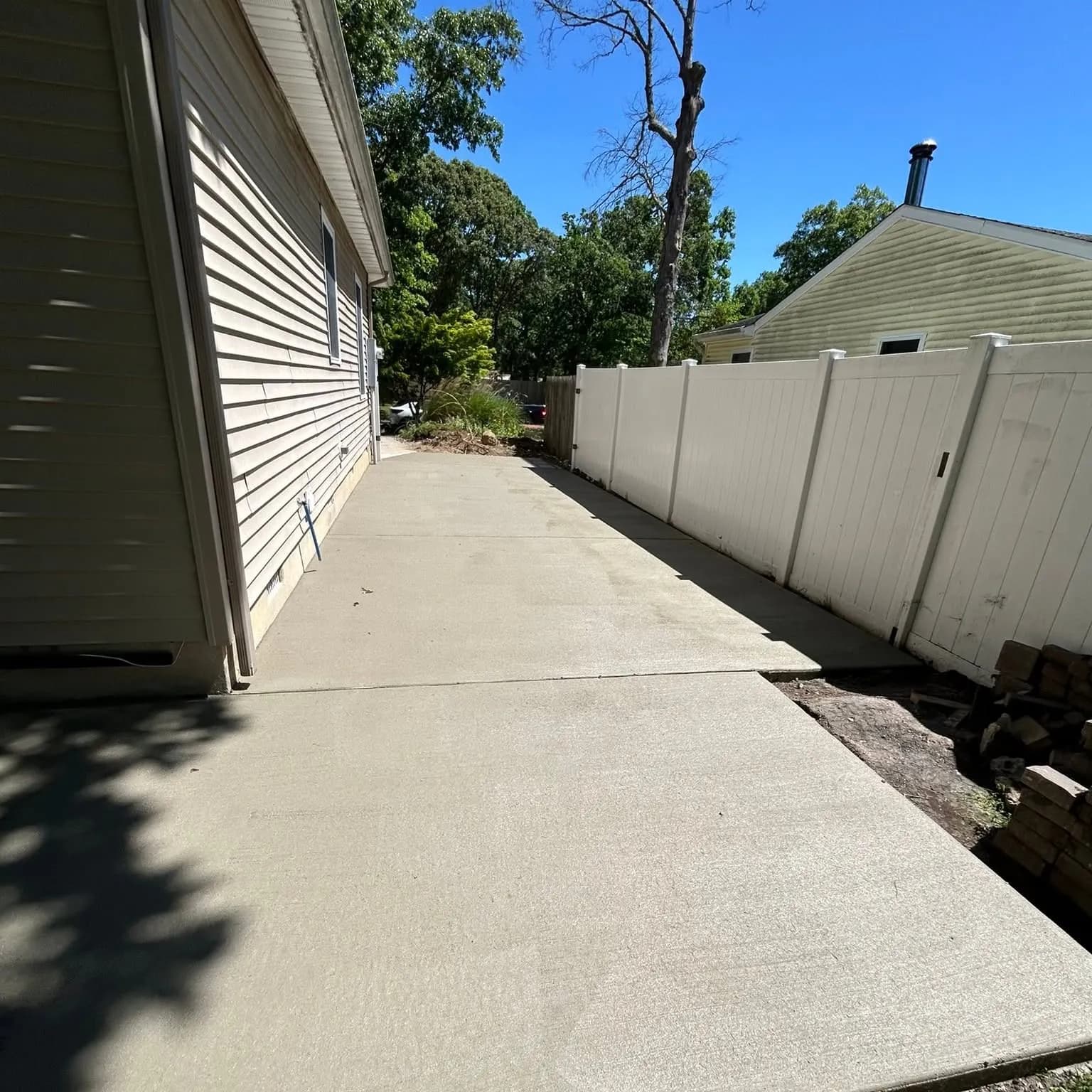
When is standing water a sign of a larger problem?
Repeated water near the house, soil washing away, a soft area that stays wet well after nearby ground dries, or pavers that begin to shift all deserve closer attention. Shore-area storms can expose a route that lighter rain does not reveal. Identifying the source before adding soil, stone or another surface helps avoid covering the symptom while the runoff continues.
How do you get a free yard drainage estimate from D&R Services?
D&R Services LLC is based in Somers Point and provides lawn care and landscape design in Atlantic and Cape May Counties, along with hardscapes, concrete, pavers, brick and asphalt across South Jersey. D&R is licensed and insured, and estimates are free. Call (609) 904-6471 or use the contact page to discuss where water collects and what you have noticed after storms.