
After a tree comes down, the stump left behind often looks like a minor detail. On South Jersey properties, that leftover stump can affect mowing, crowd out new planting, hide pest activity below the surface, and occupy space that could become lawn, bed, or hardscape. Whether the tree came down in a storm or was removed on purpose, deciding what to do with the stump is a separate step from taking the tree itself.
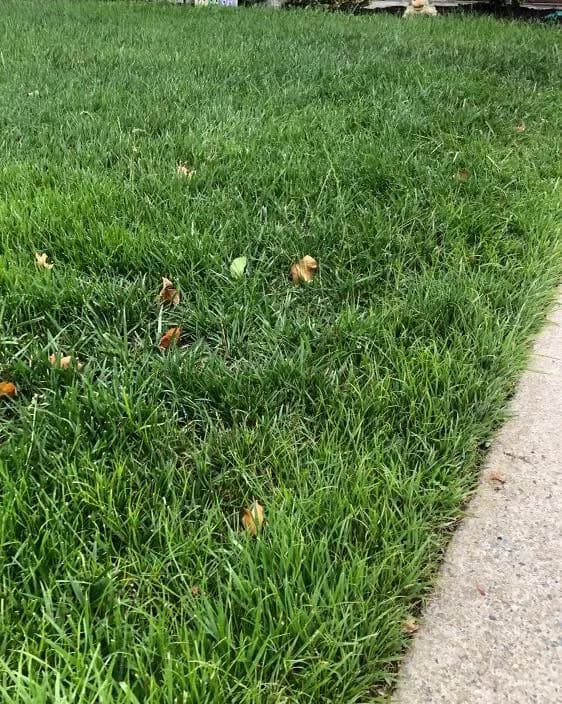
What problems can a leftover stump cause in the yard?
A stump sitting in the middle of a lawn forces the mower around it and can damage the blade if surface roots are close to grade. Stumps from certain species also send up new shoots from the root system after the tree is gone, which means ongoing cutting or treating of regrowth instead of the problem being finished. Decaying wood attracts insects that can spread to nearby plants or, on properties close to the house, create a pest pathway closer to the structure than most owners want.
How deep do roots run in South Jersey's sandy soil?
Sandy soil in Atlantic and Cape May Counties allows roots to travel laterally more than they grow down in heavy clay. An older tree's root system may extend well beyond the visible stump in several directions. That spread is why a stump that looks contained can produce new growth several feet away, and why a cleared yard may still have significant root structure just below the surface. Root systems break down over time once the stump is removed, but the pace depends on the species and what surrounds them in the soil.
What does stump grinding involve?
A stump grinder uses a rotating cutting wheel to work the stump and visible surface roots down below grade. The grind depth can be adjusted based on what is planned for the space — shallower if the area will return to lawn, deeper if a new hardscape or major planting is going in nearby. What remains at the surface is a mix of wood chips and soil, with the stump structure gone below ground. The chips can be used as mulch, removed from the property, or mixed back in as the area is graded.
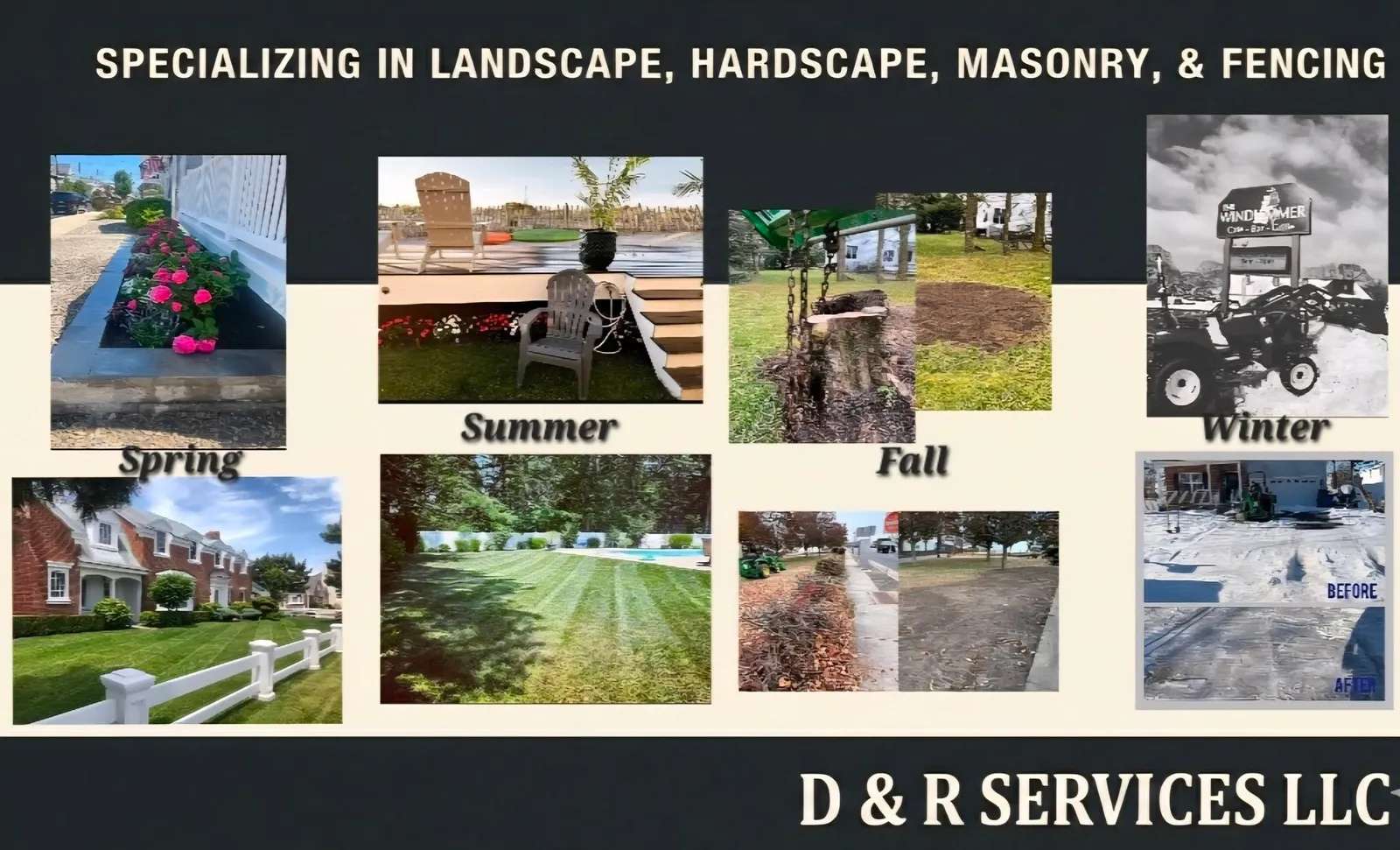
What can you do with the space after the stump is gone?
Once the stump is ground and the area leveled, the cleared space can be seeded for lawn, turned into a planting bed, or incorporated into a hardscape. Some owners use the opportunity to extend a patio, add a walkway, or replace a struggling patch of turf with pavers or concrete. Planning what goes into that spot before grinding begins helps set the right depth and grade from the start, rather than adjusting after the work is done.
When is a good time to have a stump removed?
There is no strict seasonal window for stump removal, but fall is practical on South Jersey properties. The growing season is winding down, the yard is easier to access without summer plantings in the way, and clearing the area before winter means it can be graded, seeded, or built on early in the next season. Stumps from storm-damaged trees should be addressed as soon as the site is safe to work — a broken root plate or unsecured stump near a walkway or the foundation is an ongoing hazard, not just an eyesore.
How do you schedule a free stump removal estimate from D&R Services?
D&R Services LLC provides tree removal and stump grinding across South Jersey, along with lawn care, landscape design, hardscapes, concrete, pavers, brick, and asphalt in Atlantic and Cape May Counties. D&R is licensed and insured, and every estimate is free. Call (609) 904-6471 or use the contact page to discuss a stump, a downed tree, or any other outdoor project on your property.