
A small crack in a concrete patio or walkway may not look urgent in early fall, but it can show where water, settlement, roots, or repeated use are putting stress on the surface. In Somers Point and throughout Atlantic and Cape May Counties, September is a practical time to inspect concrete while the area is clear and before colder weather makes existing gaps harder to ignore. The goal is not to cover every line with patch material. It is to understand why the crack formed and whether the surrounding grade is contributing to it.
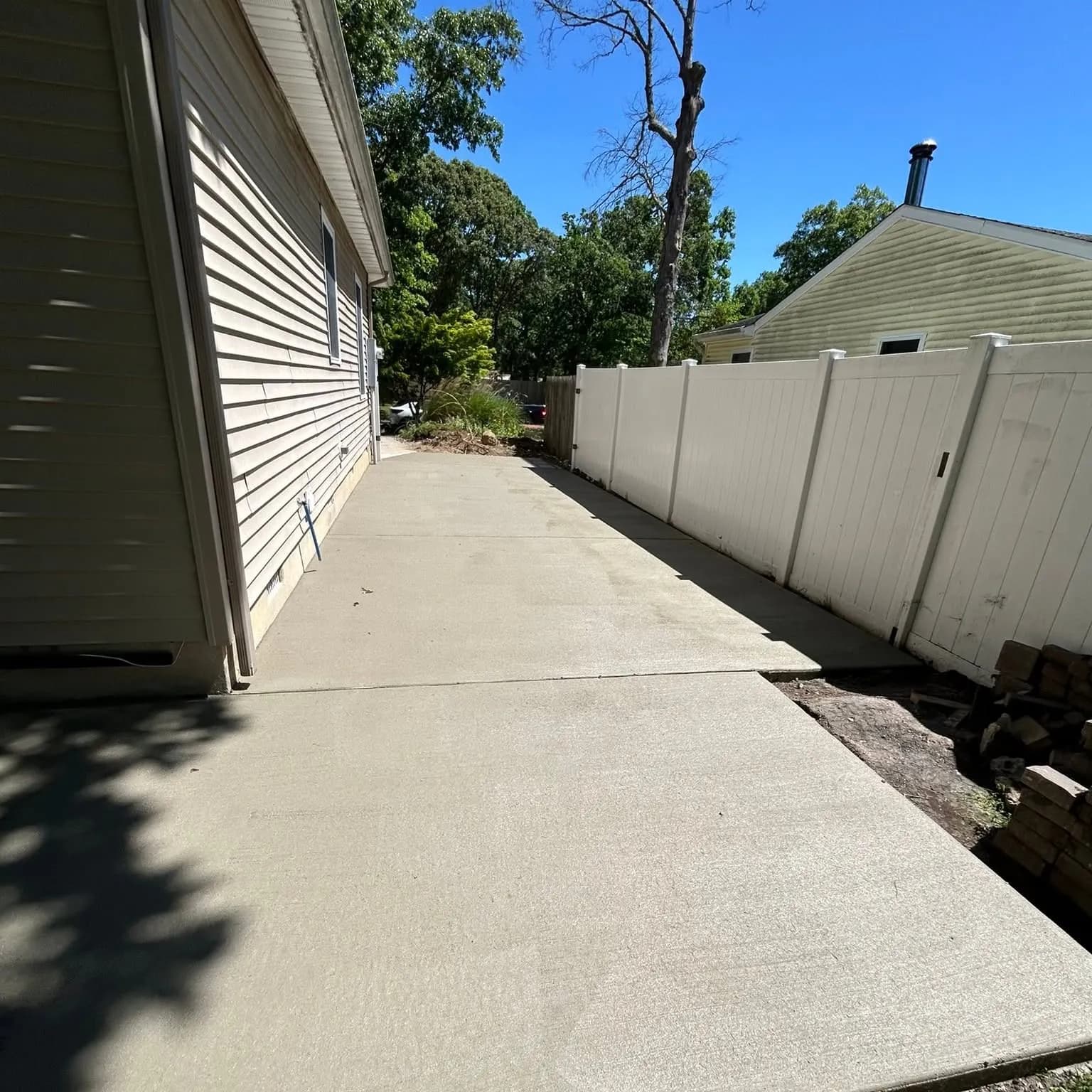
Why should small concrete cracks be checked before winter?
Water can enter an open crack, collect below a low section, or wash loose material from an edge. When temperatures move above and below freezing, trapped moisture can expand and contract, putting more pressure on an already weak area. A crack that stays dry and stable is different from one that holds water, catches a shoe, or grows across a frequently used path, so the condition and location matter more than width alone.
How do South Jersey rain and freeze-thaw cycles affect concrete?
South Jersey winters often bring repeated temperature swings rather than one long freeze. That gives moisture more chances to enter an opening, freeze, thaw, and move again. Heavy coastal rain can also expose low spots around patios, steps, and walkways. If water consistently runs toward the crack instead of away from the surface, repairing the visible line without addressing the water path may leave the same pressure in place.
What should homeowners inspect around walkways and patios?
Look for sections that rock or sit lower than nearby concrete, edges that have lost support, gaps beside steps, and cracks that continue into adjoining surfaces. After rain, note where puddles remain and whether soil or mulch has washed away along the edge. Also check gates, downspouts, tree roots, and high-traffic routes. Photos from the same angle every few weeks can help show whether the condition is changing instead of relying on memory.
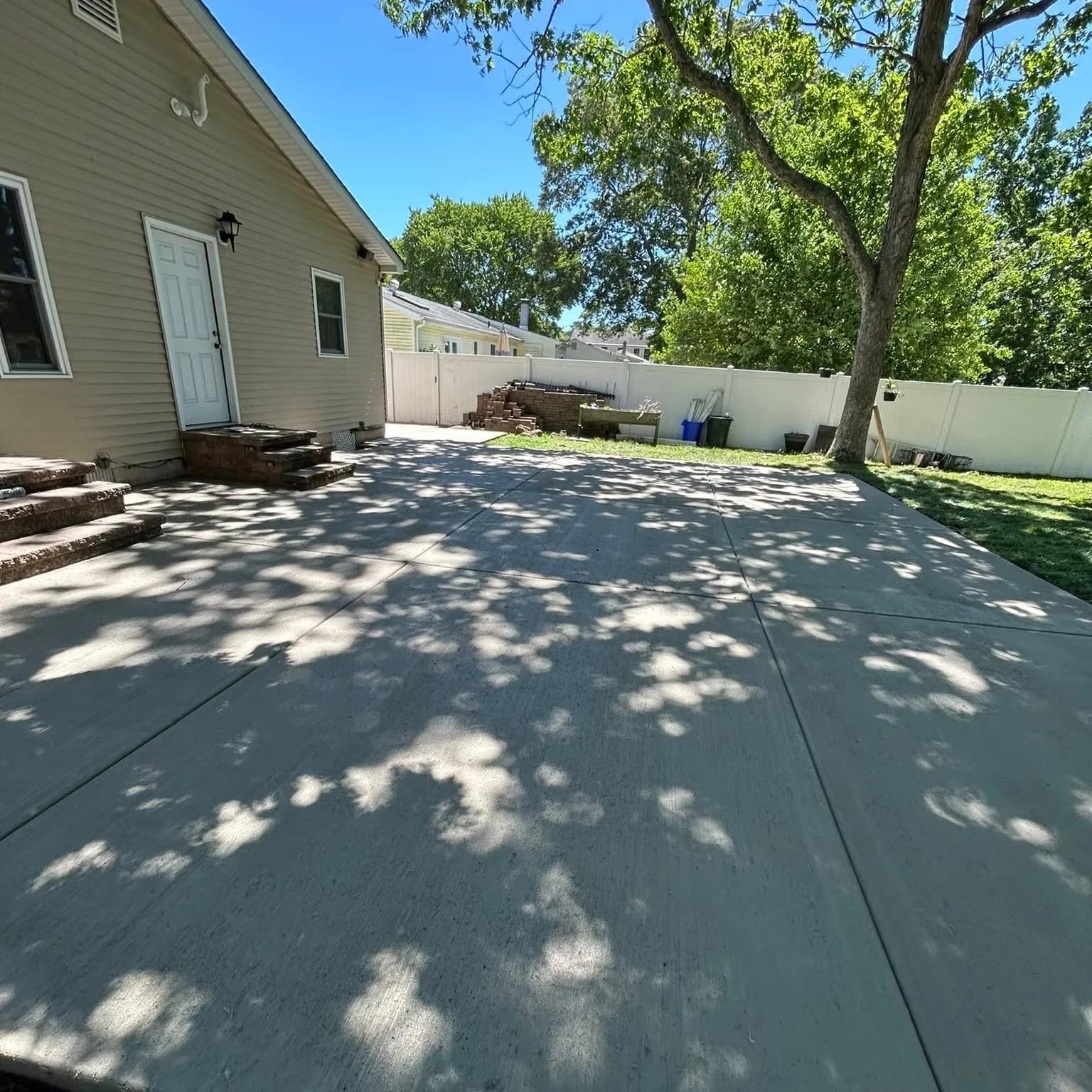
Can drainage and nearby landscaping make the problem worse?
Yes. A downspout aimed toward the slab, a low lawn edge, compacted soil, or roots growing beneath a walkway can all affect how the surface is supported. Landscape changes should guide water away without sending it toward the house, a neighbor, or another low part of the yard. Reviewing the concrete and the surrounding grade together is more useful than treating the hardscape as an isolated surface.
When does a repair need more than surface patching?
A surface repair may not solve a section that has settled, shifted at a joint, lost base support, or developed repeated water problems. Uneven areas near an entrance, steps, or a main walking route also deserve attention because they can become a trip hazard. D&R Services can inspect the site, explain whether a focused repair or a broader concrete or hardscape plan makes sense, and account for drainage and access before work begins.
How do you request a free concrete estimate from D&R Services?
D&R Services LLC is based in Somers Point and handles concrete, pavers, brick, asphalt, and other hardscape work across South Jersey. D&R is licensed and insured, and estimates are free. Call (609) 904-6471 or use the contact page to discuss a cracked walkway, patio, steps, drainage concern, or another outdoor project.