
Before the first winter storm, walk the places where pavement meets grass or planting beds. In Somers Point and across Atlantic and Cape May Counties, salt and dirty snow can collect along street edges, driveways, sidewalks, and narrow shore-property yards. Planning those transition areas now can reduce avoidable lawn damage and reveal drainage or hardscape problems that need attention before snow hides them.
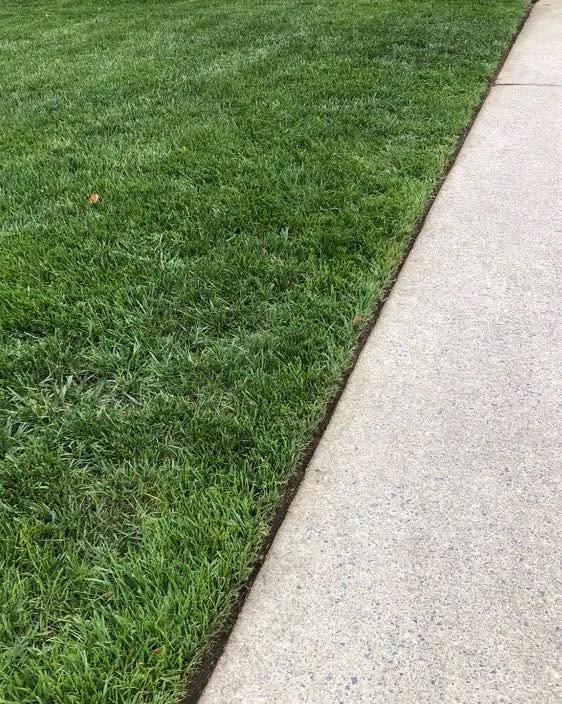
Where is winter salt damage most likely to appear?
Start with the strips of grass beside the street, driveway apron, parking area, front walk, and any path regularly treated with deicer. These edges receive material directly and also catch salty runoff as snow melts. Note low spots, bare soil, weak turf, and places where runoff crosses the lawn, because the same narrow section may receive repeated exposure through the winter.
What should you do before the first snow?
Create a clear edge between lawn and pavement, remove leaves that block runoff, and mark hard-to-see borders so a shovel or plow is less likely to scrape into the yard. Check loose pavers, crumbling asphalt edges, settled concrete, and soil that has washed away. Fixing the route water follows can be more useful than repeatedly rebuilding the lawn edge after each thaw.
Where should shoveled and plowed snow go?
Choose a storage area that does not block a doorway, walkway, downspout outlet, or the normal path of drainage. When snow contains street grit or deicer, avoid stacking every load on the same small patch of lawn or against shrubs and tree trunks. Leave enough room for the pile to melt without sending water back across a walkway, toward the house, or into another low area.
How can you keep extra deicer off the lawn?
Clear loose snow first, follow the product label, and apply only the amount needed for the paved surface. More material does not replace shoveling or correct a settled walkway that holds water. Once the pavement is dry, sweep up visible excess instead of pushing it into the grass or a planting bed. Also check whether runoff from the treated area drains toward the yard every time temperatures rise.
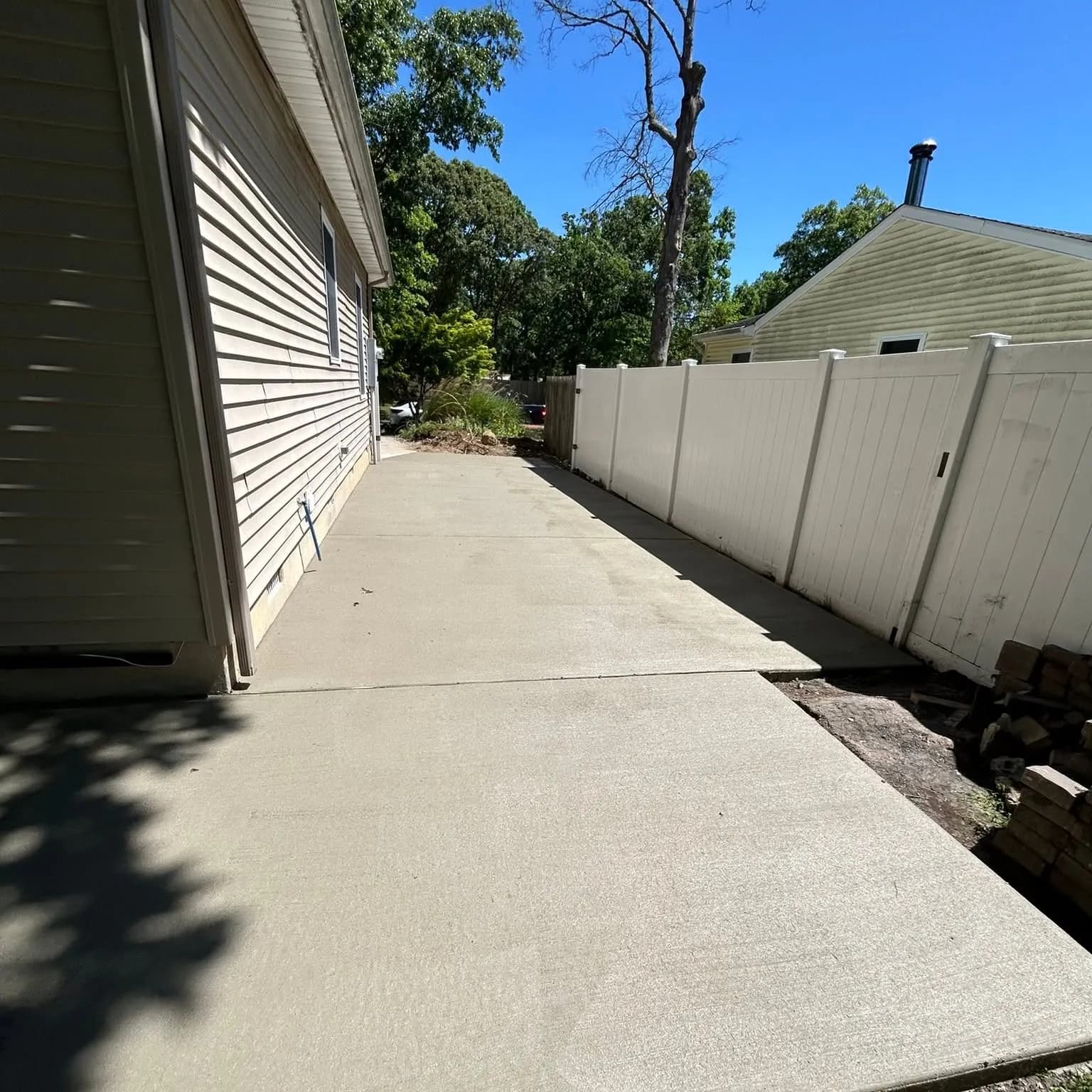
What should you inspect after a winter thaw?
Look for matted grass, eroded soil, displaced mulch, puddles, and damaged pavement edges where snow was stored. Photograph the pattern before moving material or adding soil so you can see whether the trouble follows runoff, plow placement, or an existing low spot. Some grass will not show its full condition until active growth returns, so use the early inspection to plan rather than assuming every brown patch needs immediate replacement.
How do you request a free lawn or hardscape estimate from D&R Services?
D&R Services LLC is based in Somers Point and provides lawn care and landscape design in Atlantic and Cape May Counties, along with hardscapes, concrete, pavers, brick, asphalt, tree removal, and stump grinding across South Jersey. D&R is licensed and insured, and estimates are free. Call (609) 904-6471 or use the contact page to discuss winter-damaged lawn edges, drainage, or surrounding hardscape.