
Early November is a practical time to inspect the steps and walkways used every day around a South Jersey property. In Somers Point and across Atlantic and Cape May Counties, fallen leaves, coastal rain, shifting soil, and changing temperatures can expose problems where concrete, pavers, brick, asphalt, lawn, and landscape beds meet. A careful walk in dry weather and another look after rain can show what needs routine cleanup and what may need repair before winter.
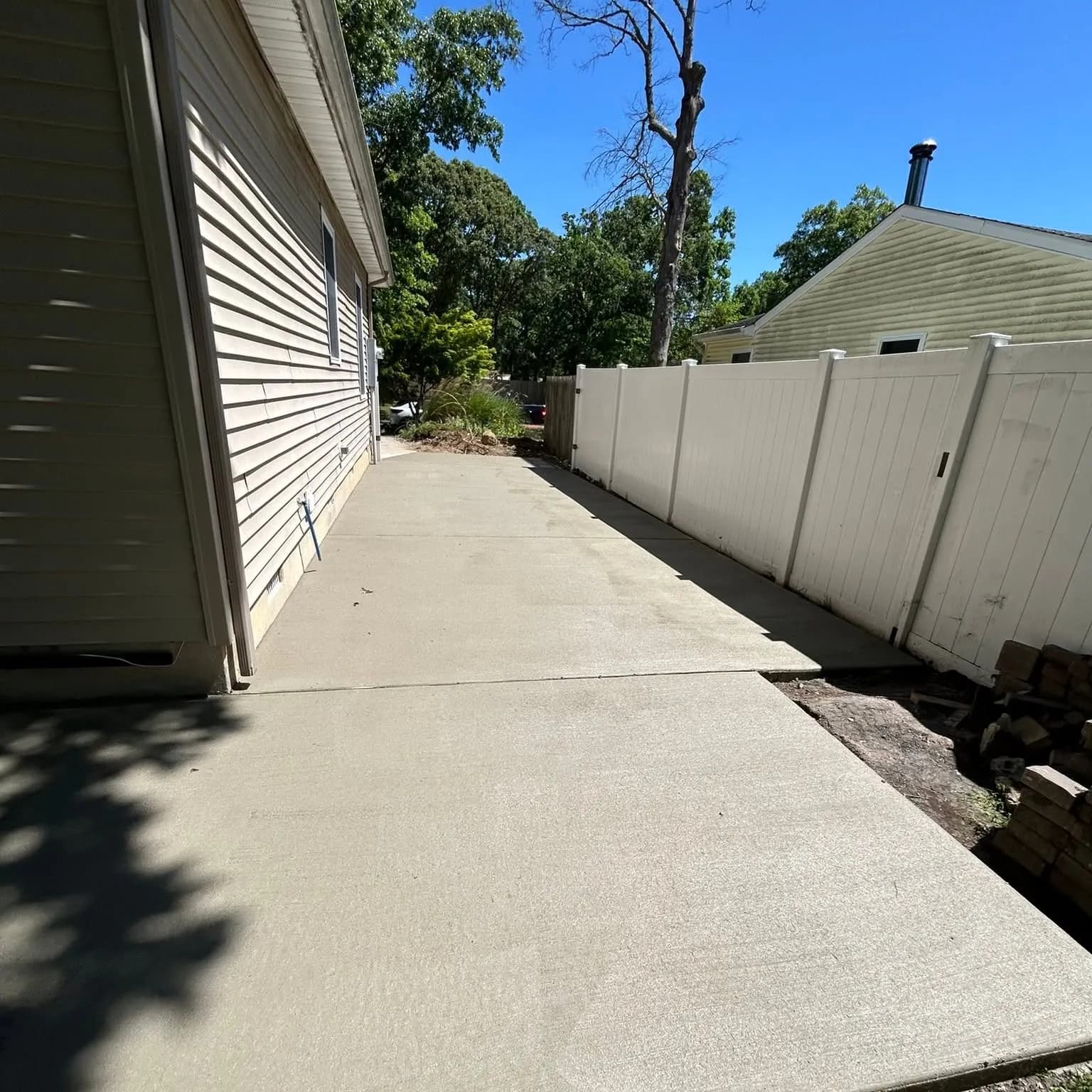
What should you inspect along the full walking route?
Start at the driveway or sidewalk and follow the route to each entrance, gate, patio, and frequently used outdoor area. Look for loose material, rocking pavers, cracked or settled sections, uneven step edges, and places where soil or mulch has washed away. Pay attention to transitions between different surfaces because a small height change at a concrete, brick, paver, or asphalt edge can become more noticeable when leaves or winter weather hide it.
How can leaves and drainage affect steps and walkways?
Wet leaves can cover surface changes and collect in corners where runoff normally passes. Clear heavy buildup from steps, walkway edges, downspout outlets, and the low side of sloped areas, then see where water remains after nearby surfaces have drained. Repeated puddles, washed-out joints, or soil moving onto the walkway may point to a grading or drainage issue rather than a one-time cleanup problem.
What should you check where hardscape materials meet?
Concrete, pavers, brick, and asphalt respond differently to traffic, water, and movement below the surface. Check joints, borders, and repaired sections for gaps, loose pieces, or edges that no longer sit at the same height. A patch may address the visible surface, but a section that keeps settling or shifting may need the base, edge support, or surrounding water path reviewed before another repair is planned.
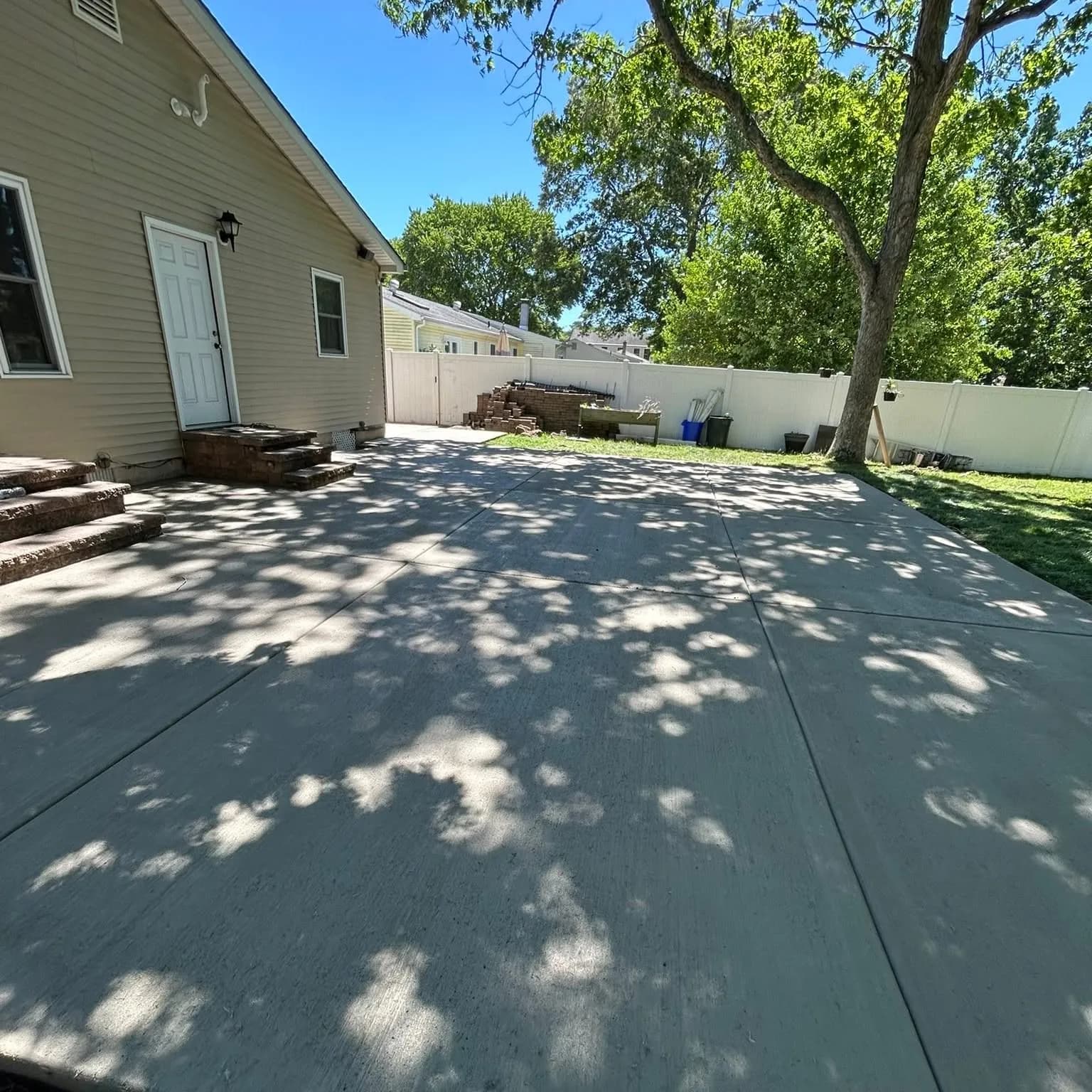
How should the lawn and landscape edges connect to the walkway?
Look for soft lawn, exposed roots, overgrown shrubs, mulch spilling onto the surface, and low soil along the walkway edge. Trimming back blocked sections and restoring a clean edge can make the route easier to inspect while keeping runoff from carrying loose material across it. If the surrounding grade repeatedly directs water toward the walkway, plan the landscape and hardscape together instead of shifting the problem from one side to the other.
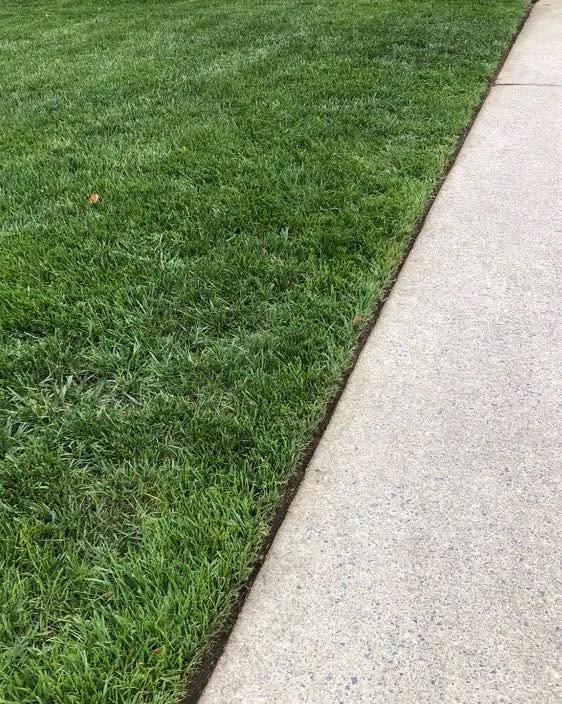
What should you document before requesting an estimate?
Take wide photos showing the entire route and close photos of loose, cracked, settled, or wet areas. Note whether the problem changes after rain, sits near a downspout or tree, or affects a main entrance. That record helps separate routine seasonal cleanup from a section that may need concrete, paver, brick, asphalt, grading, tree, or landscape work.
How do you request a free walkway or hardscape estimate from D&R Services?
D&R Services LLC is based in Somers Point and handles hardscapes, concrete, pavers, brick, and asphalt across South Jersey, along with lawn care, landscape design, tree removal, and stump grinding in Atlantic and Cape May Counties. D&R is licensed and insured, and estimates are free. Call (609) 904-6471 or use the contact page to discuss the steps, walkway, drainage, and surrounding property.