
Fall leaves do not need to cover an entire yard to create a problem. In Somers Point and across Atlantic and Cape May Counties, shore wind can push leaves into low lawn areas, walkway edges, driveway corners, and drainage paths before a heavy rain. Clearing those collection points helps water follow the route the property was designed to use instead of backing up against the lawn or hardscape.
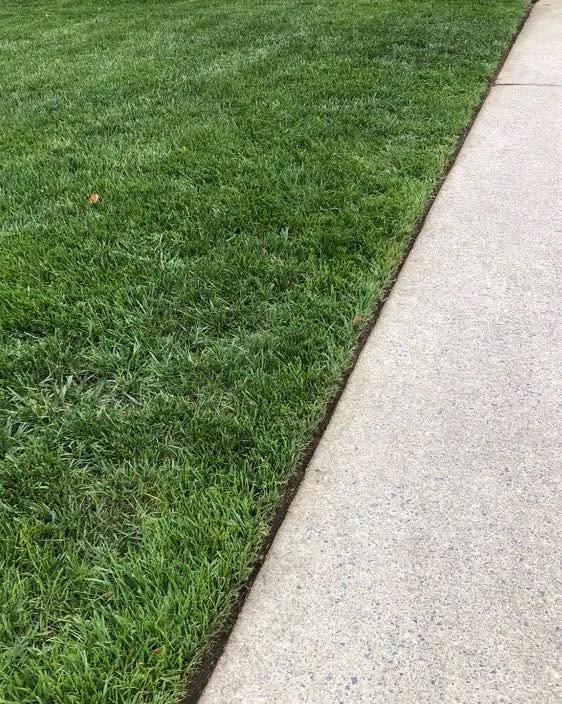
Where do leaves create the biggest drainage problems?
Start with places where water naturally slows down: low sections of lawn, the bottom of a slope, corners beside steps, gaps along a fence, and the edges of patios or walkways. Leaves can also collect around downspout outlets and wherever a hard surface meets soil or mulch. A thin layer may move with the next gust, but a packed layer can hold water and hide the exact spot where runoff is getting stuck.
What should you clear before a heavy fall rain?
Walk the property while the ground is still dry and remove heavy leaf buildup from visible drainage paths, hardscape edges, steps, and areas near the foundation. Check that downspout outlets are not buried under leaves or mulch, and move loose branches that could wash into a narrow passage. The goal is not to strip every leaf from the landscape. It is to keep the routes that carry water open before the rain begins.
Should wet leaves stay on the lawn?
A light layer of dry leaves may be manageable during normal mowing, but a thick wet mat can block light, hold moisture against the grass, and make soft ground harder to see. Rake or remove heavy patches instead of driving equipment across a soaked lawn. Pay close attention to shaded areas and low spots, which may stay wet after the rest of the yard looks ready for maintenance.
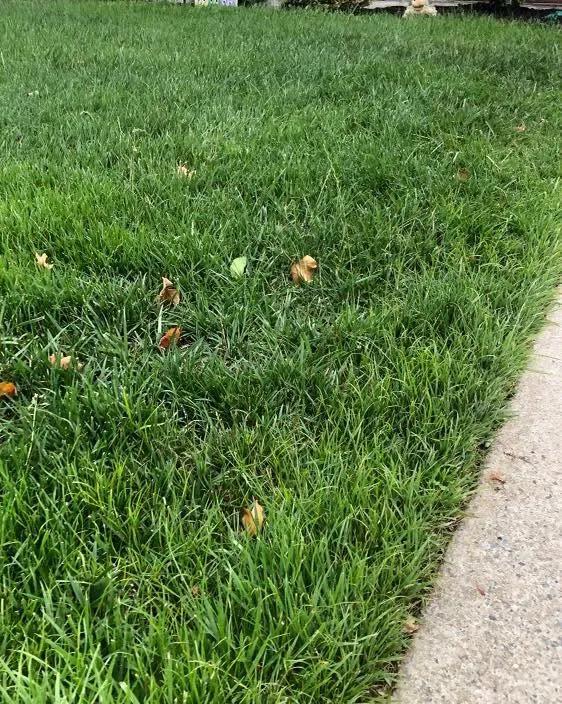
How can patios, walkways, and driveway edges trap leaves?
Concrete, pavers, brick, and asphalt change how rain moves through a property. Leaves often settle where one surface meets another, especially beside curbs, lawn edges, steps, or settled sections. Clear those seams before storms and look for puddles afterward. Repeated standing water, washed-out soil, loose pavers, or an eroded edge may point to a grading or hardscape issue rather than a one-time leaf blockage.
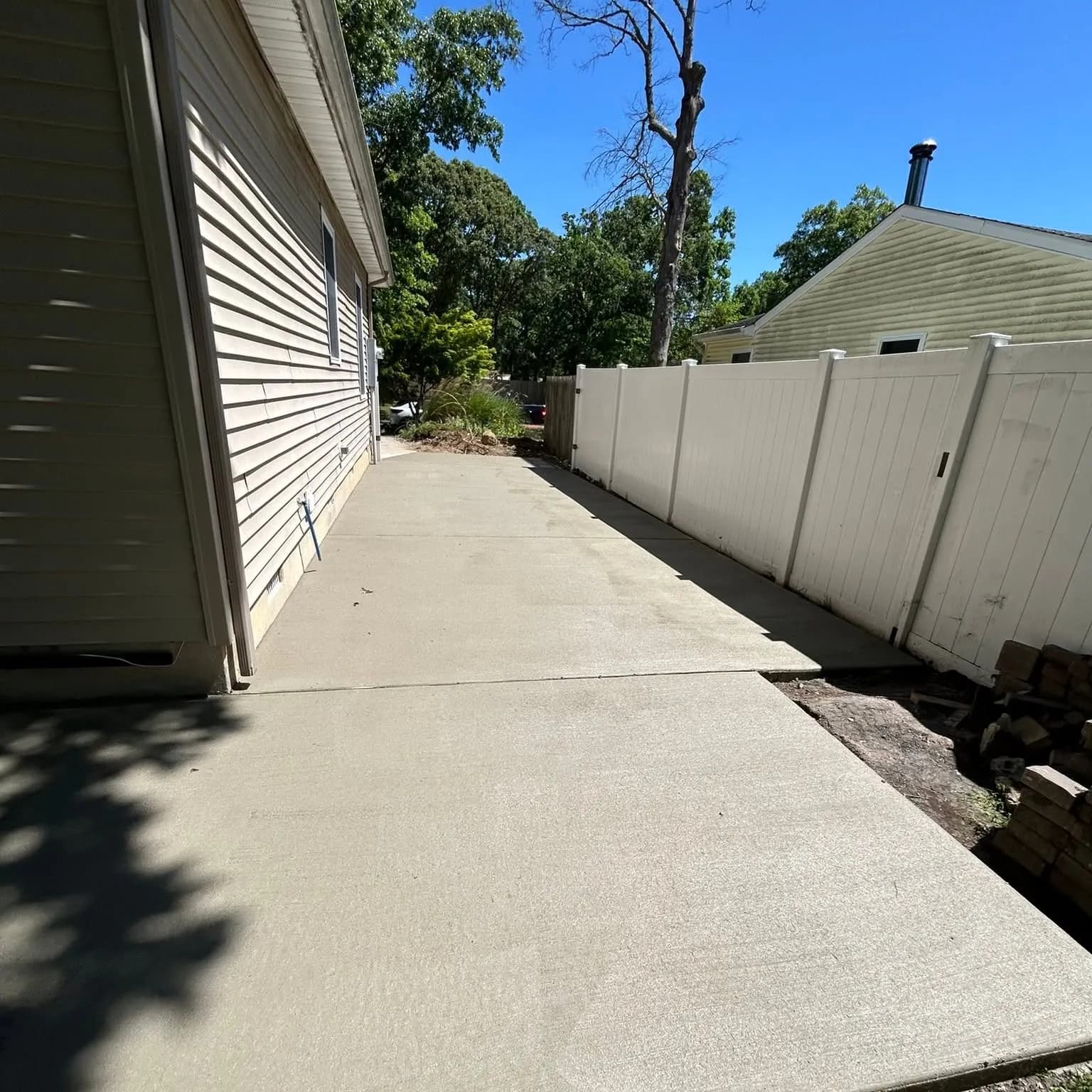
What should you inspect after the storm?
Once the rain has passed, note where water remains after nearby areas have drained. Look for new soil washout, mulch pushed across a walkway, soft lawn near a hardscape edge, or leaves packed into the same corner again. Photos taken during and after the rain can help show whether routine cleanup solves the issue or whether the grade, surface, or surrounding landscape needs a closer look.
How do you request a free fall property estimate from D&R Services?
D&R Services LLC is based in Somers Point and provides lawn care and landscape design in Atlantic and Cape May Counties, along with hardscapes, concrete, pavers, brick, asphalt, tree removal, and stump grinding across South Jersey. D&R is licensed and insured, and estimates are free. Call (609) 904-6471 or use the contact page to discuss fall cleanup, drainage trouble, or another outdoor project.