
Early November is a practical time to inspect an asphalt driveway before colder weather reaches South Jersey. In Somers Point and across Atlantic and Cape May Counties, coastal rain, fallen leaves, sandy soil, and repeated temperature changes can expose weak sections around the driveway and its edges. A careful walk after dry weather and again after rain can show whether the surface is draining normally or whether a problem deserves a closer look.
What asphalt problems should you look for before colder weather?
Look for cracks that have changed, loose or crumbling material, sunken sections, worn edges, and places where grass or weeds are growing through the surface. Check the routes used by vehicles, the apron near the street, and any transition to a garage, walkway, or parking area. A small surface mark is different from a section that moves, sheds material, or repeatedly holds water, so note both the condition and the location.
Why do drainage and fallen leaves matter around a driveway?
Leaves often collect along driveway edges, curbs, low corners, and downspout outlets. When that buildup blocks the normal path of runoff, water can remain against the asphalt or wash soil away from the edge. Clear heavy debris before rain, then check where puddles remain after nearby areas have drained. The useful fix depends on whether the blockage is seasonal or the grade is directing water to the same low section every time.
When can a crack point to a larger driveway problem?
A crack deserves more attention when the surrounding asphalt has settled, the edge has lost support, the same area stays wet, or new cracks keep forming nearby. Covering the visible line may not address movement below the surface or runoff from the yard, roof, or street. D&R Services can review the driveway, surrounding grade, and access together before recommending a focused repair or a broader asphalt or hardscape plan.
How should the driveway connect with concrete, pavers, and the lawn?
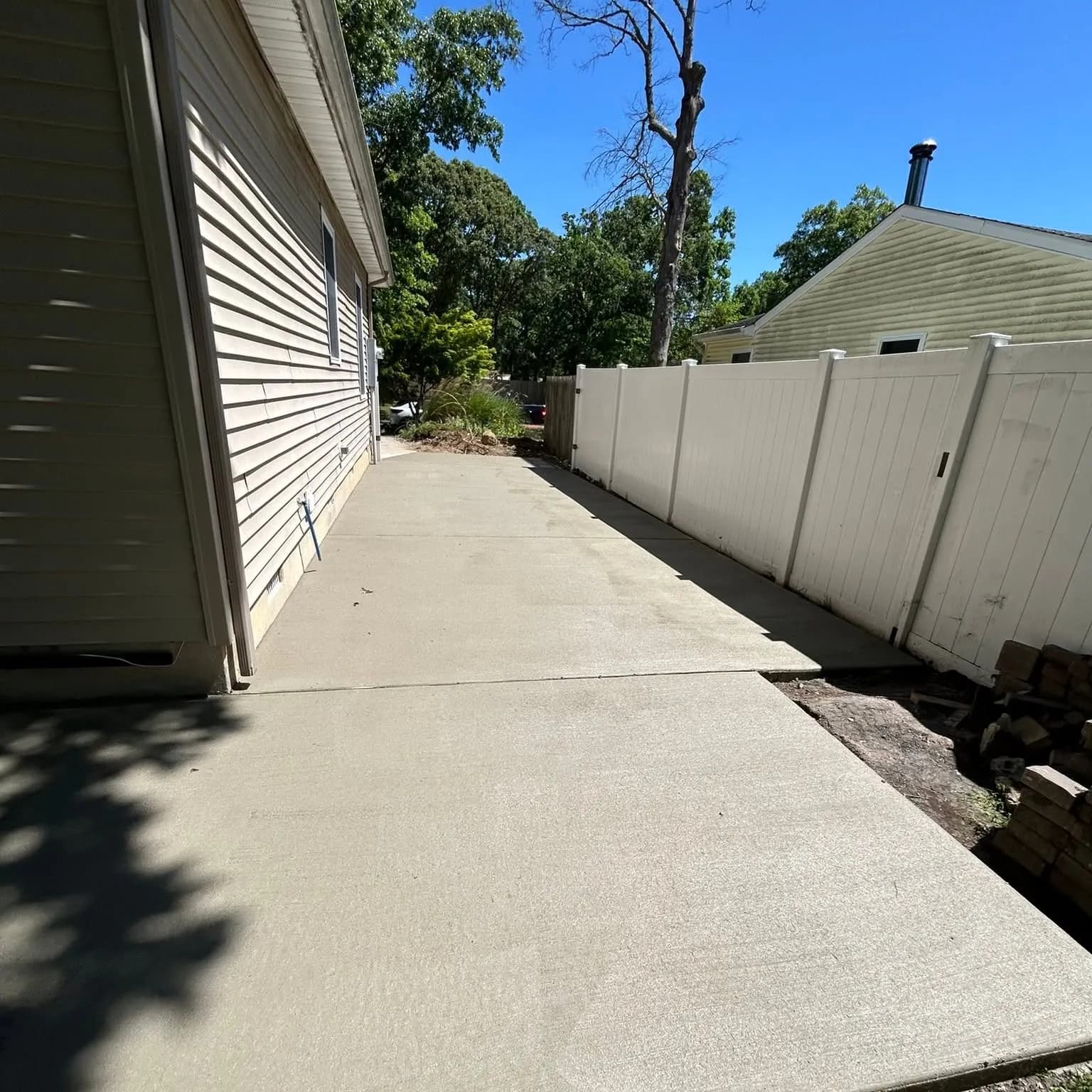
Driveways rarely work as isolated surfaces. Their edges meet lawns, planting beds, sidewalks, garage slabs, concrete aprons, brick borders, or paver walkways. Check those transitions for uneven heights, eroded soil, loose material, and water moving from one surface onto another. Planning the driveway and nearby hardscape together can create cleaner transitions and a clearer drainage path instead of shifting the problem to the next section.
What should you document before requesting an estimate?
Take photos of the full driveway and close views of the problem areas, including where water sits after rain. Note whether the condition is near the street, garage, steps, a downspout, or a tree root area, and describe how the surface is used. That information helps separate a local edge or drainage concern from a driveway-wide issue and gives the contractor a clearer starting point for the site visit.
How do you request a free asphalt or hardscape estimate from D&R Services?
D&R Services LLC is based in Somers Point and handles asphalt, concrete, pavers, brick, and other hardscape work across South Jersey, along with lawn care, landscape design, tree removal, and stump grinding in Atlantic and Cape May Counties. D&R is licensed and insured, and estimates are free. Call (609) 904-6471 or use the contact page to discuss the driveway, drainage, and surrounding property.